

Privacy vs. Security: Protecting Visitor Data in the Digital Age
How ClearAccess balances the need for strict security with the rights of visitors and residents to data privacy.
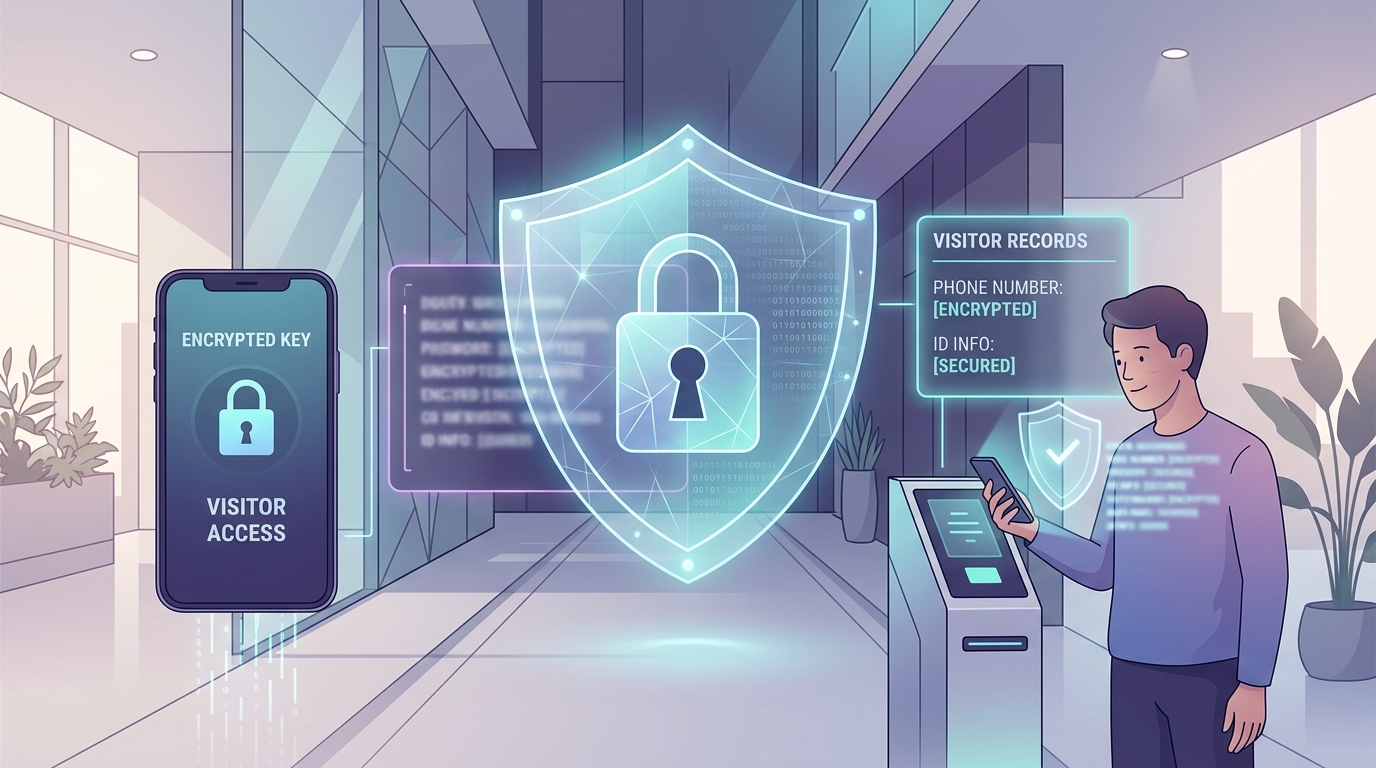
The privacy paradox in access control
In the quest for 100% security, it's easy for estate management to over-collect data. From scanning national IDs to capturing high-resolution photos of every visitor, the "security first" mindset can often clash with Data Privacy laws like the NDPR (Nigeria Data Protection Regulation) or GDPR.
At ClearAccess, we believe that you don't have to sacrifice privacy to achieve security.
The ClearAccess Privacy Framework
1. Purpose Limitation
We only collect data that is strictly necessary for the purpose of verifying a visit. If a guest is invited via a QR code, the system already knows their name and destination. There is no need for the gate team to manually record their phone number or home address in a paper note that anyone could read.
2. Blurred Plate Technology
Vehicle license plates are sensitive identifiers. While it's important to record them for security audits, they shouldn't be accessible to every member of the staff. Our platform can automatically blur license plates in movement logs, only "un-masking" them for authorized managers during a verified security investigation.
3. Data Retention Policies
How long should a visitor record be kept? Indefinite storage is a liability. ClearAccess allows estates to set automated Data Retention Policies. For example, guest arrival logs can be automatically anonymized after 90 days, keeping the statistical data (number of visits) but removing the personal identifiers (names and plates).
Transparency for Residents and Guests
Privacy is built on trust. We provide clear, simple interfaces that show users exactly what data is being shared:
- Residents can see a log of every person who has entered on their behalf.
- Guests receive a clear privacy notice when they open their digital pass, explaining how their data is used and how they can request its deletion.
Conclusion: Security that respects rights
A secure estate is one where residents feel safe not just physically, but also digitally. By adopting privacy-preserving technology, estate managers can stay compliant with modern regulations and build a stronger foundation of trust with their community.